
Last updated: October 2026
Some watches outperform the stock market. Most don't. Here's how to tell the difference.
There's a version of this conversation that happens in every watch showroom, and it usually opens with someone asking whether a watch is a good investment. The honest answer involves separating two things that get conflated: watches that hold their value, and watches that appreciate. The first group is large. The second is much smaller, and the difference comes down to factors you can actually assess before buying.
A few numbers before you start:
- A well-chosen luxury watch retains most of its value indefinitely; a new car loses 20 to 30 percent in its first year alone
- Discontinued references appreciate most: the Hulk Submariner retailed around $9,000 and now trades above $16,000
- A complete box-and-papers set typically adds a 10 to 20 percent resale premium over the same watch sold bare
- Precious metal watches often trade at or below retail pre-owned, one of the better-value buys right now
- The strongest watch references have rivaled equity returns over the past decade, with far less liquidity
In this guide:
- Do luxury watches hold their value?
- Which watches actually appreciate?
- Which watches don't appreciate?
- What factors affect a watch's resale value?
- How do watches compare to other assets?
- Does buying pre-owned change the equation?
- So what should you actually buy?
Do luxury watches hold their value?
Luxury watches from the top houses hold value better than virtually any other category of luxury good, though only a minority appreciate meaningfully above their purchase price.
The comparison that matters is against other things you spend this kind of money on. A new car loses 20 to 30 per cent in its first year. Designer clothing, handbags, and electronics follow the same curve. You buy them knowing the money is gone.
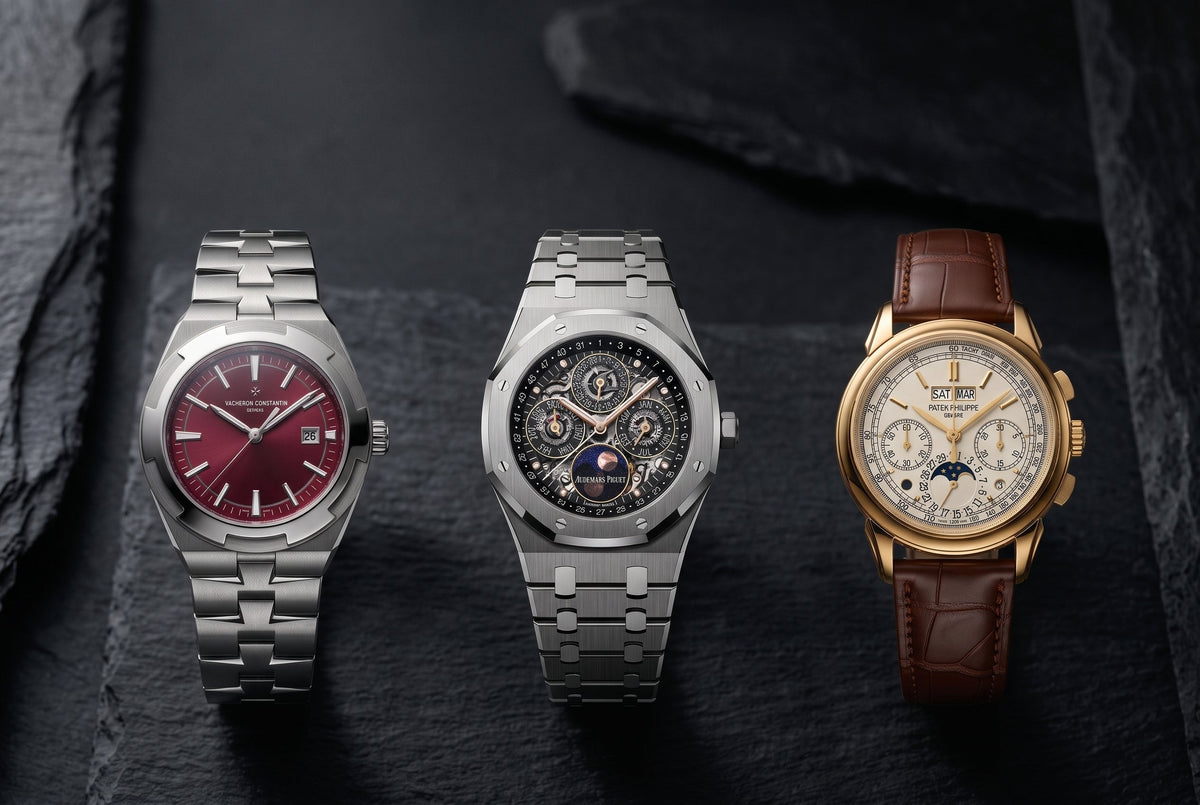
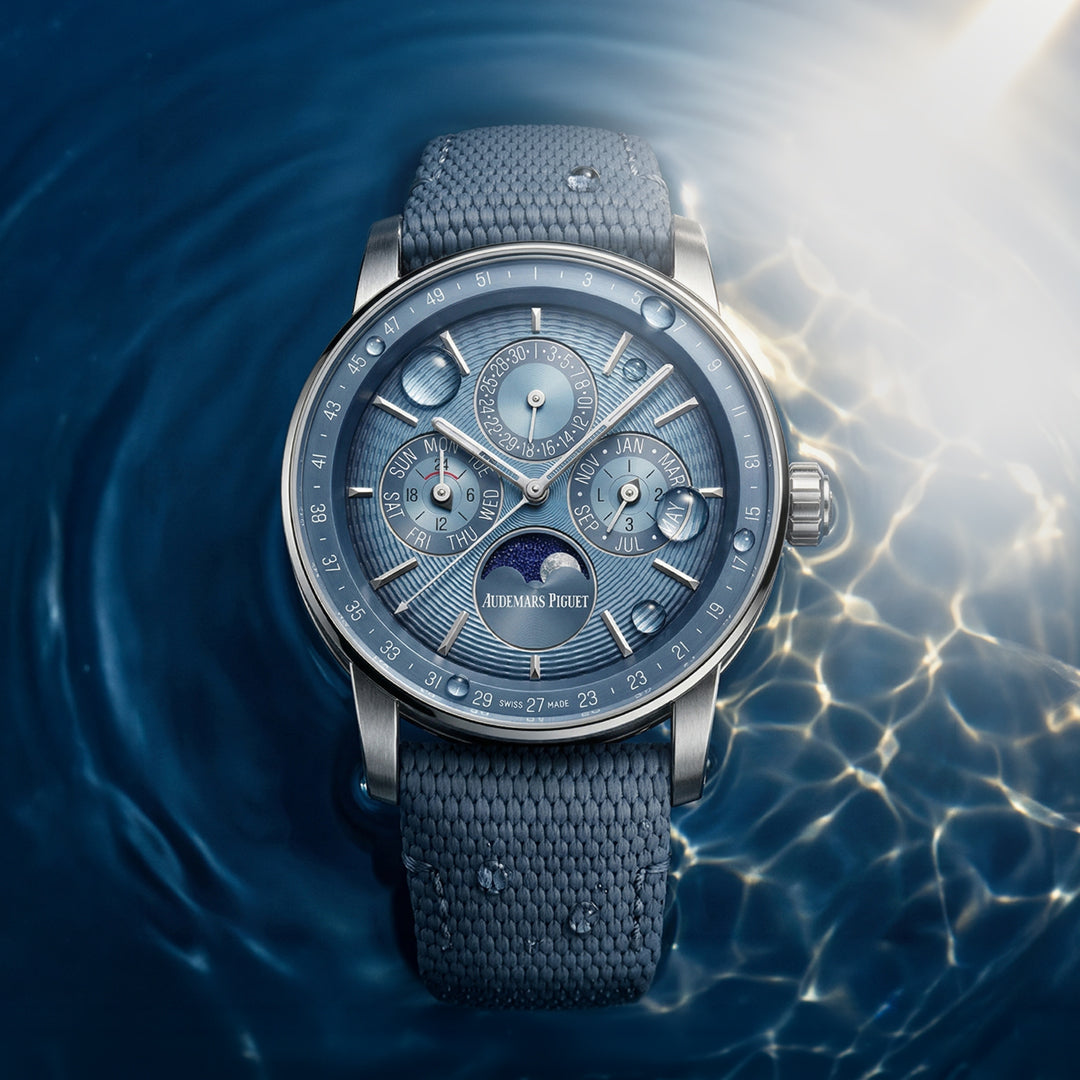
Watches behave differently. A well-chosen piece from Rolex, Patek Philippe, Audemars Piguet, Vacheron Constantin or Cartier will typically retain most of its value indefinitely, and some references trade well above what they originally cost. That combination of use and value retention is genuinely rare.
What it isn't is an investment strategy. Anyone presenting a watch as a guaranteed return is overselling, and the category has enough volatility to punish people who buy on that basis.
Further reading: the complete guide to luxury watch brands.
Which watches actually appreciate?
Steel sports models from the most in-demand brands are the strongest performers, and discontinued references outperform everything else.
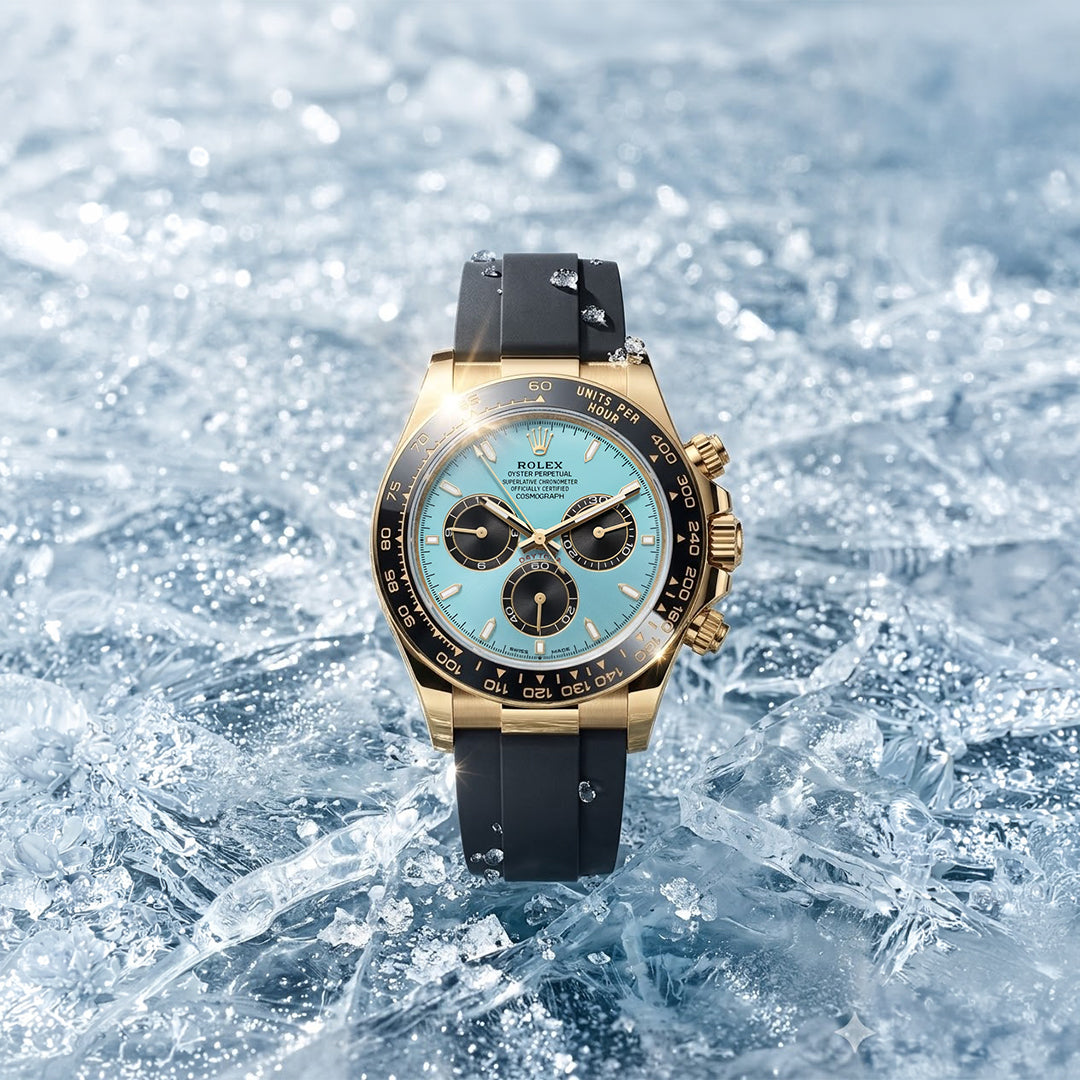
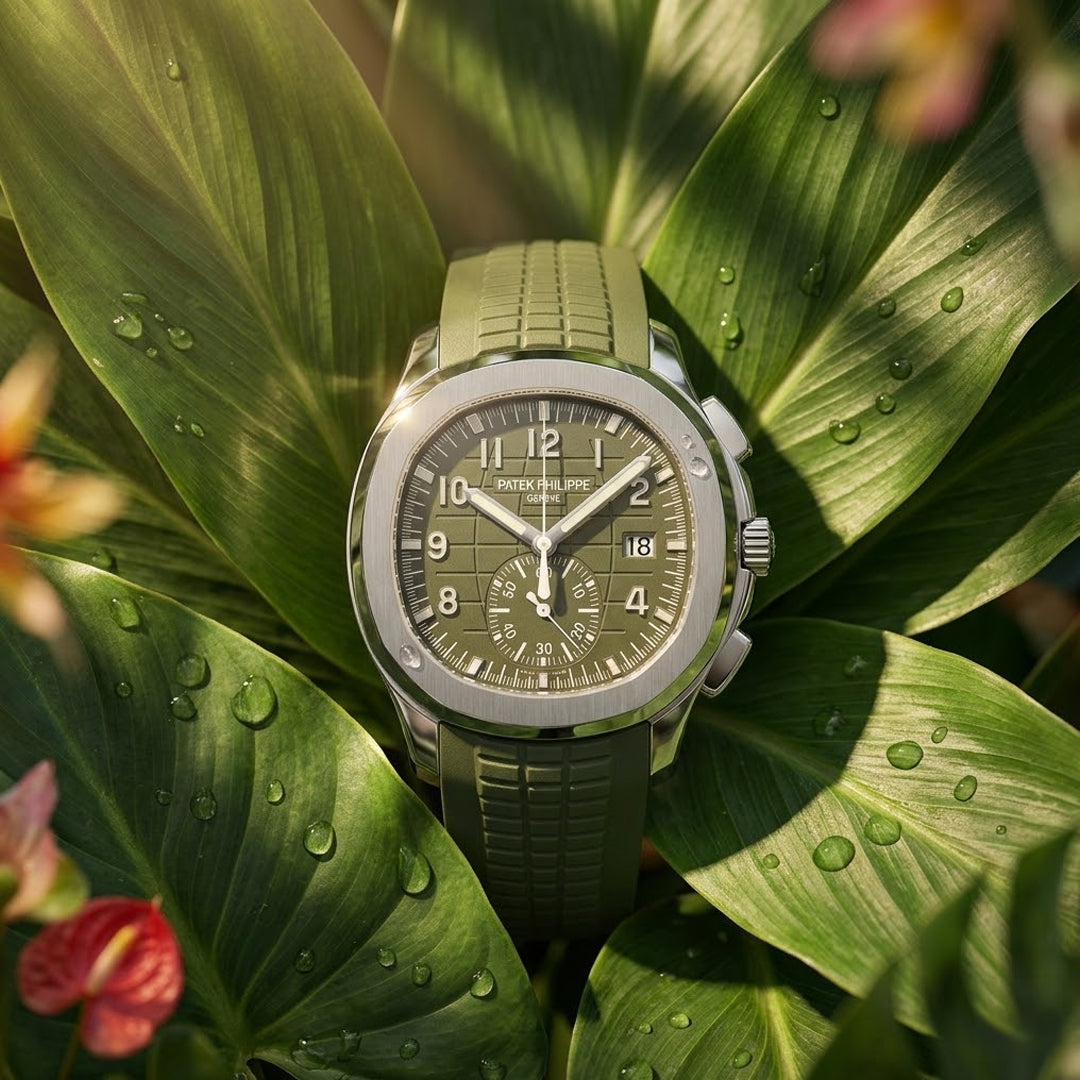
The pattern is consistent across brands. Rolex steel sports models, the Submariner, GMT-Master II and Daytona in particular, trade above retail and have done so for years. Patek Philippe's Nautilus and Aquanaut command substantial premiums. Audemars Piguet's Royal Oak in steel holds strongly.
Discontinuation is the single biggest accelerant. When production stops, scarcity becomes permanent. The Hulk Submariner retailed around $9,000 before being discontinued in 2020 and now trades well above $16,000. The Nautilus 5711 in steel, discontinued in 2021, trades at multiples of its original price.

The mechanics behind all of this are structural rather than speculative:
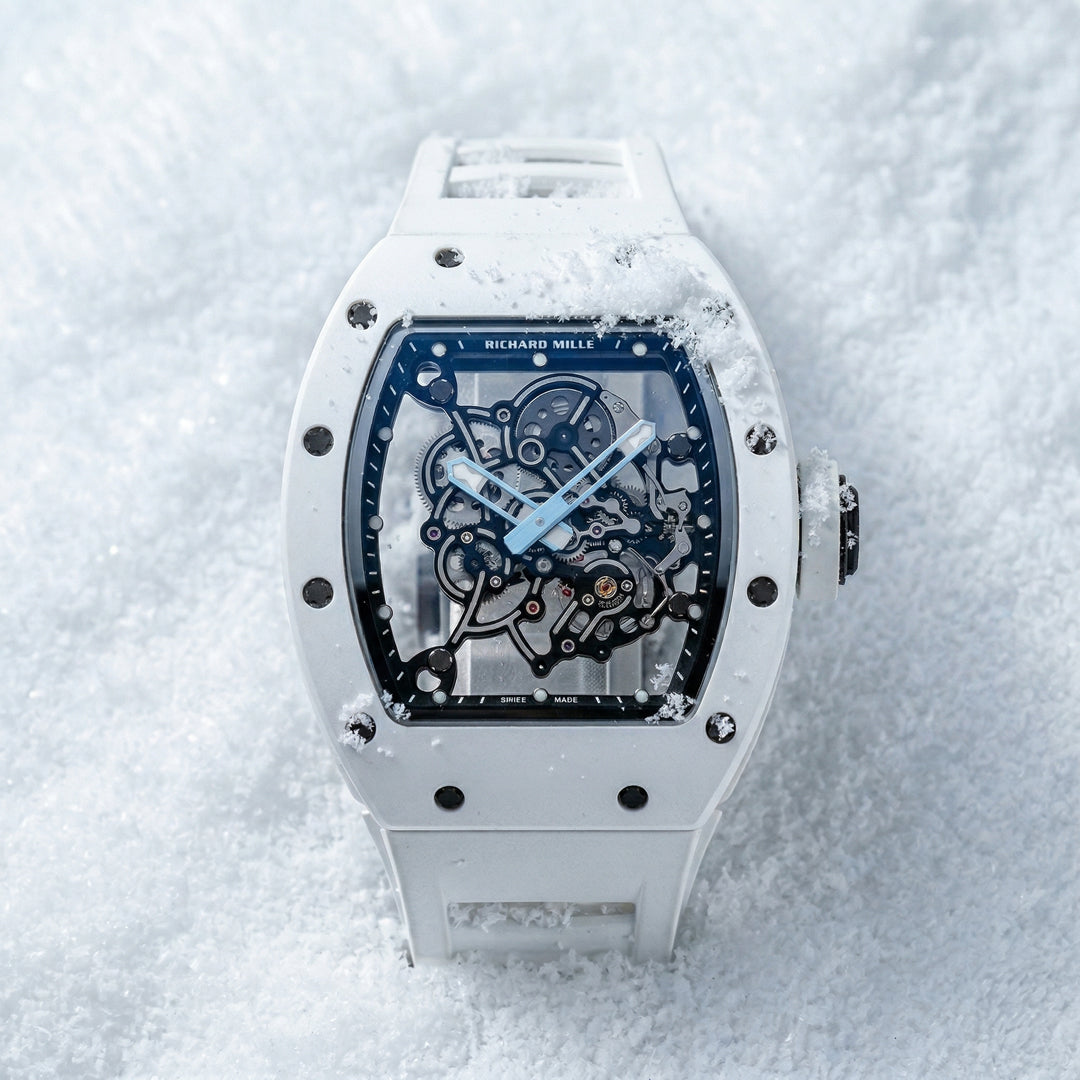
Constrained production. Rolex makes roughly a million watches a year against far higher demand. Patek makes around 70,000. Richard Mille makes fewer than 5,000. None of them scale to meet the market.
Global recognition. A Rolex is identifiable anywhere on earth, which creates the deepest buyer pool in watchmaking and the tightest spreads. Liquidity is itself a financial advantage.
No obsolescence. A mechanical watch serviced properly runs for decades. A forty-year-old Submariner is functionally the same object it was when new.
Which watches don't appreciate?
Precious metal dress watches, most quartz models, and anything from a brand without secondary market depth typically hold value without appreciating.
This isn't a criticism. Precious metal references from Rolex, Patek and Vacheron are often extraordinary watches, and they hold value far better than comparable luxury goods. They just don't appreciate the way steel sports models do, largely because they're bought by people who want to wear them rather than trade them.
The practical consequence is worth understanding: gold Submariners, Day-Dates and various two-tone references frequently trade at or below retail on the secondary market. If you want one of these, buying pre-owned means acquiring at a discount to what the brand charges, with the same long-term retention characteristics. That's one of the better-value plays available right now.
What genuinely struggles: watches from brands with thin secondary markets, heavily customized or aftermarket-modified pieces, and anything where the buyer pool is small enough that selling means accepting whatever's offered.
What factors affect a watch's resale value?
Condition, completeness of set, service history and originality drive resale pricing more than any other factors.
Box and papers. A complete set typically commands a 10 to 20 per cent premium over the same reference sold bare, and the gap widens on collectible or discontinued pieces. The warranty card establishes provenance, which is the closest thing to a birth certificate a watch has.
Condition and polish status. An unpolished case retains its original geometry. Every polish removes metal permanently, softening edges and rounding lugs. On vintage and collectible references, collectors pay for originality over apparent condition.
Service history. Documentation removes uncertainty about mechanical condition, and uncertainty is what pushes offers down. A buyer choosing between two identical watches, one with receipts and one without, has no way to assess the second beyond trusting the seller.
Original components. Service centers sometimes replace dials, hands or bezel inserts as a matter of course. On a vintage reference, those replacements can substantially reduce collector value even where the watch looks better for it.
Reference desirability. Some configurations simply move faster than others. A fluted Jubilee Datejust is more liquid than a smooth Oyster one, despite sharing the same movement.
Further reading: what box and papers actually means, and the full Rolex service cost guide.
How do watches compare to other assets?
Over the past decade, the strongest watch references have delivered returns comparable to equities, though with considerably more variance and far less liquidity than financial markets.
The honest framing: the S&P 500 has averaged roughly 10 to 12 per cent annually over the past decade. A steel Submariner bought at retail ten years ago has appreciated at a rate that comfortably beats property and in some periods rivals equities. But that's the top end of the watch market, not the average, and the 2021 to 2022 correction demonstrated that the category can move sharply in both directions.
What watches offer that financial assets don't is use. You wear the thing. It accompanies you through two decades of ordinary life and it's still worth what you paid. Measured as an expense, that's a remarkably low cost of ownership. Measured as an investment, it's a volatile asset with transaction friction and no yield.
The sensible position sits between those: buy a watch because you want it, choose one with sound fundamentals, and treat the value retention as insurance against regret rather than a return you're counting on.
Does buying pre-owned change the equation?
Buying pre-owned often improves the position, because you enter at a market-verified price rather than a price the brand set.
When you buy at retail, any appreciation starts from the manufacturer's number. When you buy pre-owned, you're paying what the market has determined the watch is actually worth, which already reflects real demand. You also skip the waiting entirely, and you get access to discontinued references that can't be bought new at any price.

For precious metal models currently trading below retail, the advantage is more direct. You acquire the watch at a discount to what the brand charges with identical retention characteristics.
The secondary market doesn't distinguish between a watch bought from an authorized dealer and one bought pre-owned. It cares about the reference, the condition and the paperwork.
Further reading: the complete guide to buying pre-owned luxury watches, and the complete Rolex buying guide.
So what should you actually buy?
Buy the watch you want to wear, then let value retention inform the configuration rather than the decision.
The collectors who are happiest with their collections bought on genuine response rather than resale charts. The ones who aren't bought what a forum told them to and never connected with it.
Where value thinking genuinely helps is at the margin. Between two configurations you like equally, take the one with stronger fundamentals. Buy the complete set rather than the bare watch. Pay attention to polish status. Keep the paperwork.
Do that, and you end up with something you actually enjoy wearing that happens to still be worth what you paid when you're done with it. Which is the realistic version of what people mean when they ask whether watches are a good investment.
Every watch at Dial Society is authenticated with transparent condition and service reporting. Browse the collection or request a specific reference.