




What Is the Gray Market and How Does It Work?
If you’ve ever searched for a Rolex online and felt confused by the price gap between boutique retail and online listings, you’re not alone. A watch with an MSRP of $11,800 may appear online for $19,000, $22,000, or even higher, and that disconnect is driven by the gray market.
For buyers entering the luxury space, especially with premium brands like Rolex, Patek Philippe, Audemars Piguet, and Cartier, understanding how the gray market works is essential. MSRP often reflects brand positioning, while market pricing reflects supply realities.
What the Gray Market Actually Is
In the watch industry, the gray market refers to the sale of authentic watches outside a brand’s authorized retail network. These watches are genuine; they’re legally produced and legally sold, they simply move through unofficial distribution channels.

That distinction matters, since the gray market is not the black market. Black market
watches are counterfeit or stolen, while gray market watches are genuine luxury timepieces that entered the market through alternative channels.
Luxury brands tightly control their authorized dealer networks, determining product allocations, controlling retail pricing, and influencing which customers receive high-demand models. The gray market exists because watches often change hands after leaving those official channels.
Why MSRP Rarely Reflects Market Value
MSRP stands for manufacturer’s suggested retail price, representing what a brand believes the watch should sell for in its boutiques and authorized stores. The open market, however, operates on supply and demand.
When supply exceeds demand, prices fall below retail. When demand overwhelms supply, prices rise above retail. That’s where the gray market steps in.
In practice, gray market pricing often reflects two very different realities:
-
Some watches trade 20% to 30% below MSRP because they are widely available or slower-moving models
-
Highly sought-after references can sell 30%, 60%, or even 100% above MSRP due to scarcity and immediate demand
These two outcomes may seem different on the surface, but they both emerge from the same underlying ecosystem.
When Watches Sell Below Retail
Authorized dealers are typically required to purchase full assortments from brands, including models that may not sell quickly in their local market. If inventory lingers, dealers may quietly move watches through wholesalers or international networks. Those watches can then appear online at significant discounts.
Standard production references from certain brands frequently trade below MSRP in gray channels. Variations in VAT by region, combined with cross-border pricing imbalances, can further increase the size of the discount.
For buyers focused on getting stronger value from widely available models, the gray market can sometimes provide a noticeable price advantage.

Why Rolex Models Often Trade Far Above Retail
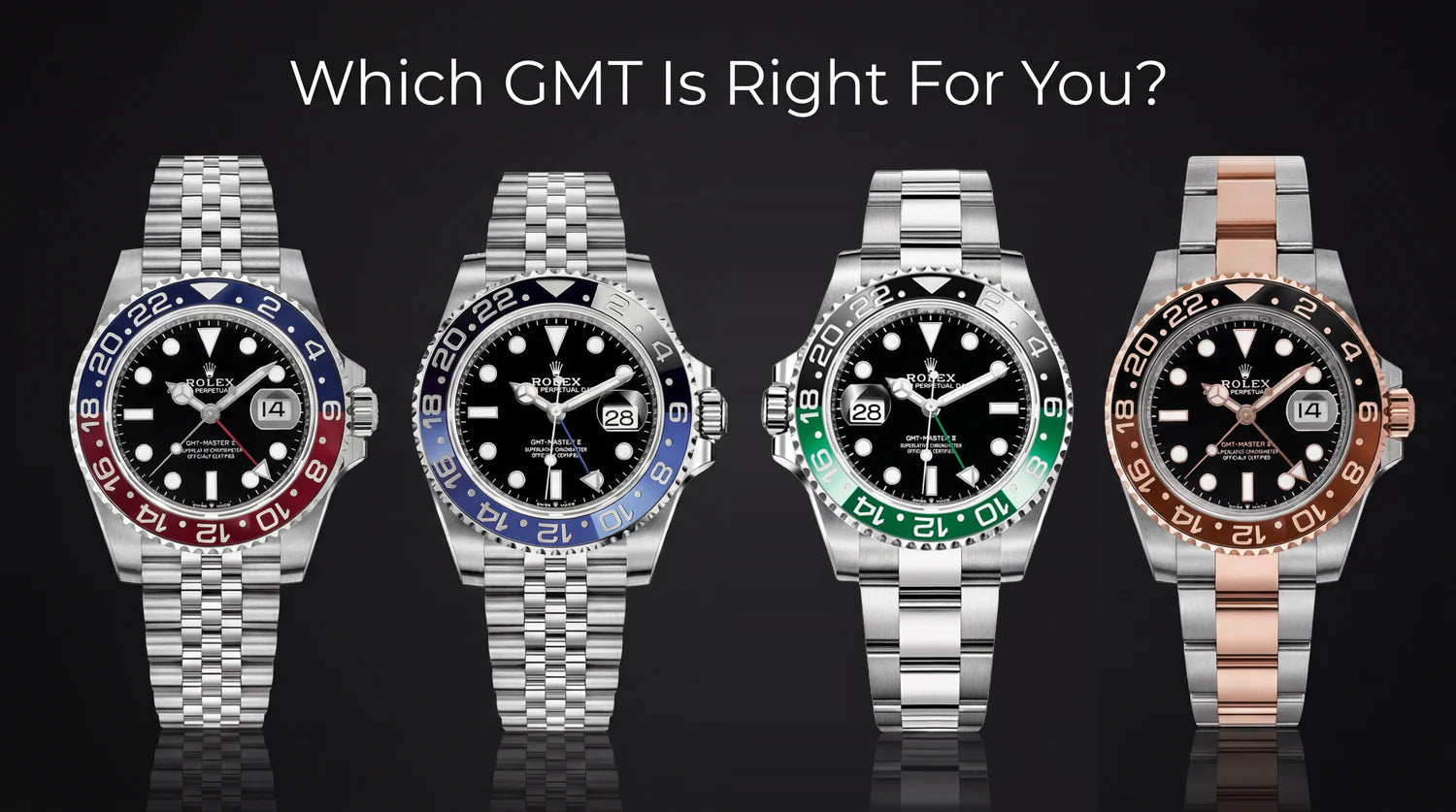
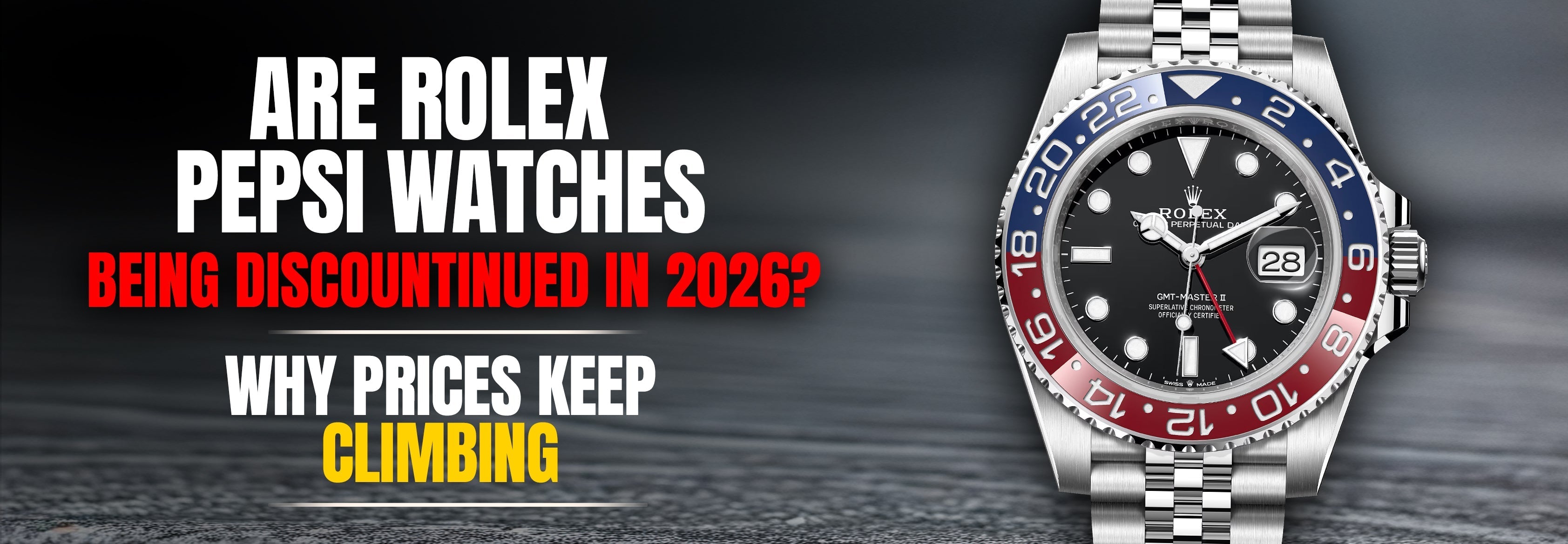
That reverse pattern helps explain why first-time Rolex buyers are so often surprised by the brand’s pricing. Rare models such as the Rolex Daytona 126500LN, Rolex Submariner 124060, and Rolex GMT-Master II 126710BLNR remain extremely difficult to purchase at retail.
Limited allocations and lengthy waitlists characterize authorized dealers, who often prioritize established clients with a purchase history. If you want immediate access, you’re entering the open market. There, pricing adjusts to demand in real time.
MSRP for a Submariner might sit near $10,000, yet the gray market may value it closer to $14,000. That premium reflects liquidity, reflecting the ability to purchase today rather than wait for years. Simply put, retail price is static, and market price is dynamic.
How Gray Market Inventory Moves
Watches typically reach the gray market through several pathways that operate within a professional dealer ecosystem rather than through random online listings.
Common sources include authorized dealers offloading excess stock, wholesalers redistributing slow-moving inventory across regions, parallel imports from lower-price markets, and private owners selling unworn watches into the trade.
Industry trade shows and wholesale networks quietly reallocate watches that aren’t selling in one region to markets with stronger demand.
Warranty, Service, and Buyer Considerations
One of the biggest misunderstandings about the gray market involves warranty coverage, as brands generally limit their manufacturer warranties to watches sold through official channels.
Rolex ties its five-year guarantee to sales through authorized retailers with properly completed documentation, while OMEGA and Cartier maintain similar policies. Audemars Piguet and Patek Philippe offer direct warranty and service through approved networks.

The brand can still service a gray market watch, preserving its authenticity. However, factory warranty treatment may differ depending on the original point of sale.
That’s why seller reputation matters. Authentication standards, condition disclosure, service history transparency, and post-sale support become central factors in the buying decision.
Gray Market vs. Certified Pre-Owned
In recent years, many brands have increasingly moved into certified pre-owned programs to regain control of the resale channel. Rolex, for example, offers authenticated pre-owned watches through official retailers with a new two-year international guarantee.
Certified pre-owned (CPO) pieces often trade at premiums above independent gray listings. Market data has shown CPO watches averaging 20% to 40% higher than comparable gray market examples in certain segments.
Buyers choosing CPO pay for factory-backed authentication and warranty coverage, while others prioritize lower prices and greater flexibility in the open market. Each option reflects a different set of priorities.
The Smart Way to Approach the Gray Market
The gray market isn’t an anomaly, it’s a pricing and distribution channel shaped by supply, demand, and liquidity. Sometimes it offers 25% savings on standard production models, while other times, it reflects significant premiums for instant access to iconic references that are nearly impossible to purchase at retail.
For buyers who want clarity in this environment, the real question isn’t whether the watch sits above or below MSRP, it’s who stands behind the watch. At Dial Society, we operate within this market every day. We understand how inventory moves, why pricing fluctuates, and what separates a secure transaction from a risky one.
Our focus is on authenticated sourcing, transparent condition grading, and real support after the sale. In a market where the sticker price rarely reflects the underlying dynamics at play, we help collectors buy, sell, and source with greater confidence.