
The short answer is yes, with caveats. Here’s what the data actually shows, and why Rolex sits in a category of its own.
I get asked this question constantly, and I’ve learned that most people asking it are really asking one of two things. Either they want permission to spend serious money on a watch they already love, or they’re genuinely trying to understand whether a Rolex is a smarter place to park cash than the alternatives. Both are fair questions. And for both, the answer is more encouraging than you might expect.
Rolex Holds Value Better Than Almost Any Luxury Good
Let’s start with the fact that separates Rolex from virtually everything else you can buy at this price point. Most luxury goods depreciate the moment you walk out of the store. A new car loses 20 to 30% in its first year. Designer clothing, handbags, electronics: they all follow the same downward curve. You buy them knowing you’ll never get your money back, and you make peace with that.
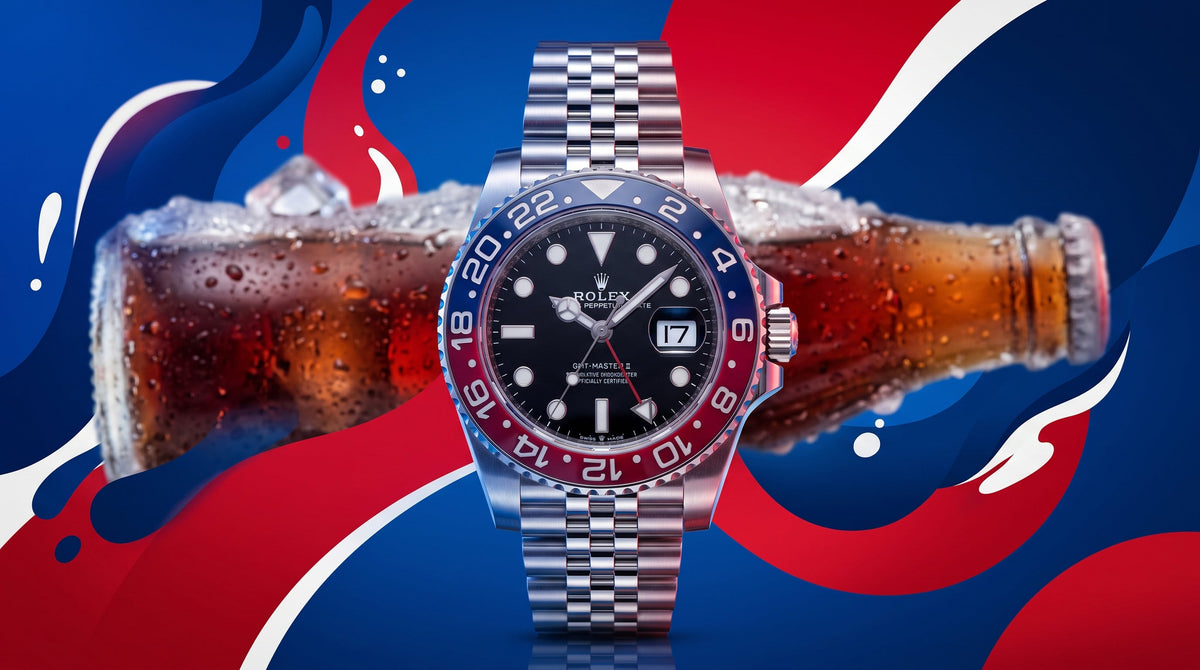
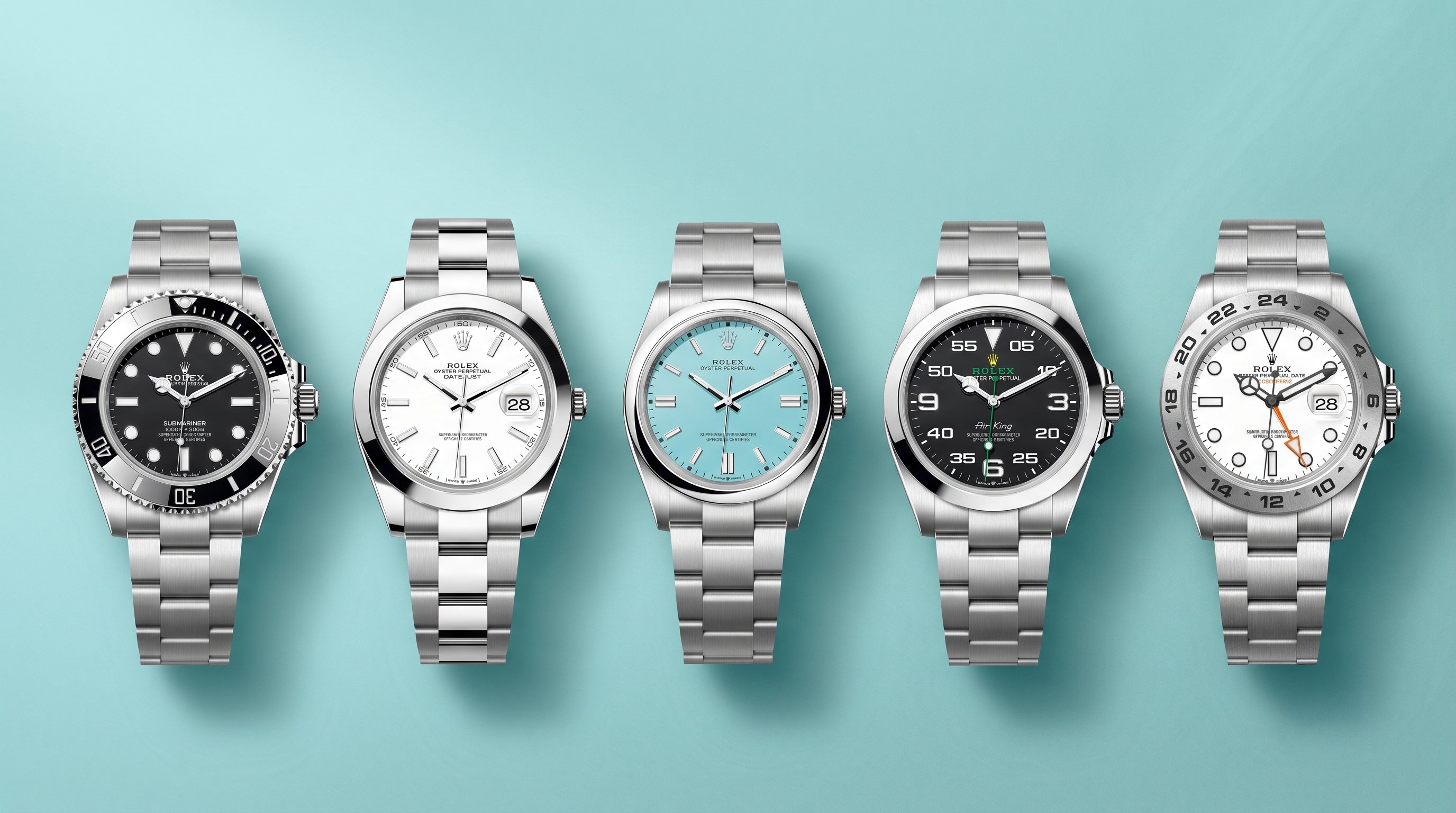
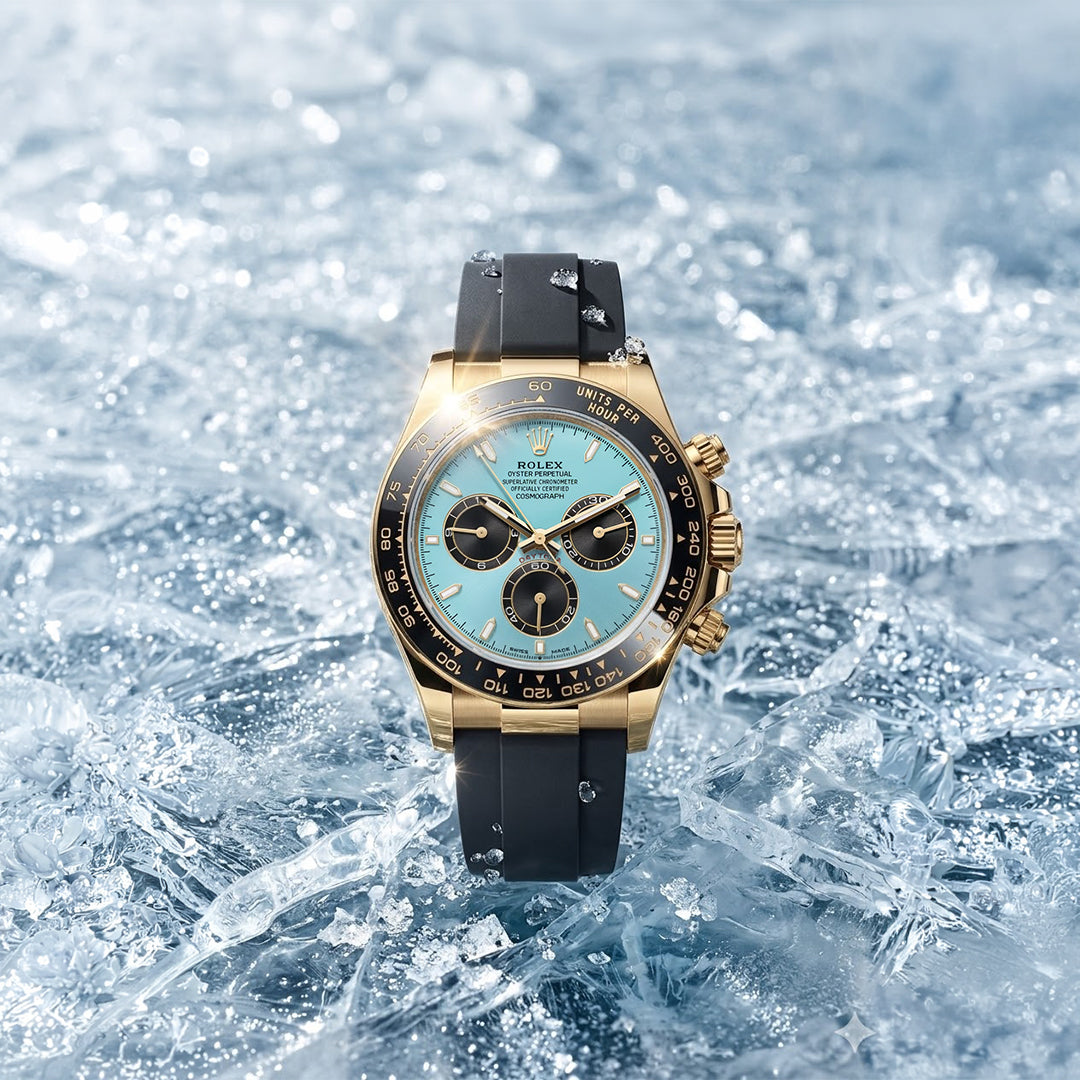
Rolex is different. Across the full catalogue, the majority of steel sport models hold their value at or above retail on the secondary market. Some appreciate significantly. The steel Daytona, the GMT-Master II Pepsi, the Submariner: these aren’t just retaining value, they’re trading at meaningful premiums over what Rolex charges at retail, and they’ve been doing so consistently for years.
That doesn’t happen with other luxury purchases. It doesn’t happen with most watches from other brands, either. Rolex occupies a genuinely unique position where the thing you buy to wear and enjoy also functions as a remarkably stable store of value.

The Numbers (Honestly)
Let’s look at where things actually stand in mid-2026, because honesty matters more than hype.
Steel sport models are the strongest performers. The Submariner Date (126610LN) trades at roughly 15 to 30% above its current retail price on the secondary market. The GMT-Master II Pepsi trades at a more significant premium. The Daytona in steel remains in its own category entirely, commanding 40 to 60% above retail for the white-dial Panda. These premiums have compressed from the speculative highs of 2021-2022, but they’ve stabilised at levels that reflect genuine, sustained collector demand rather than froth.
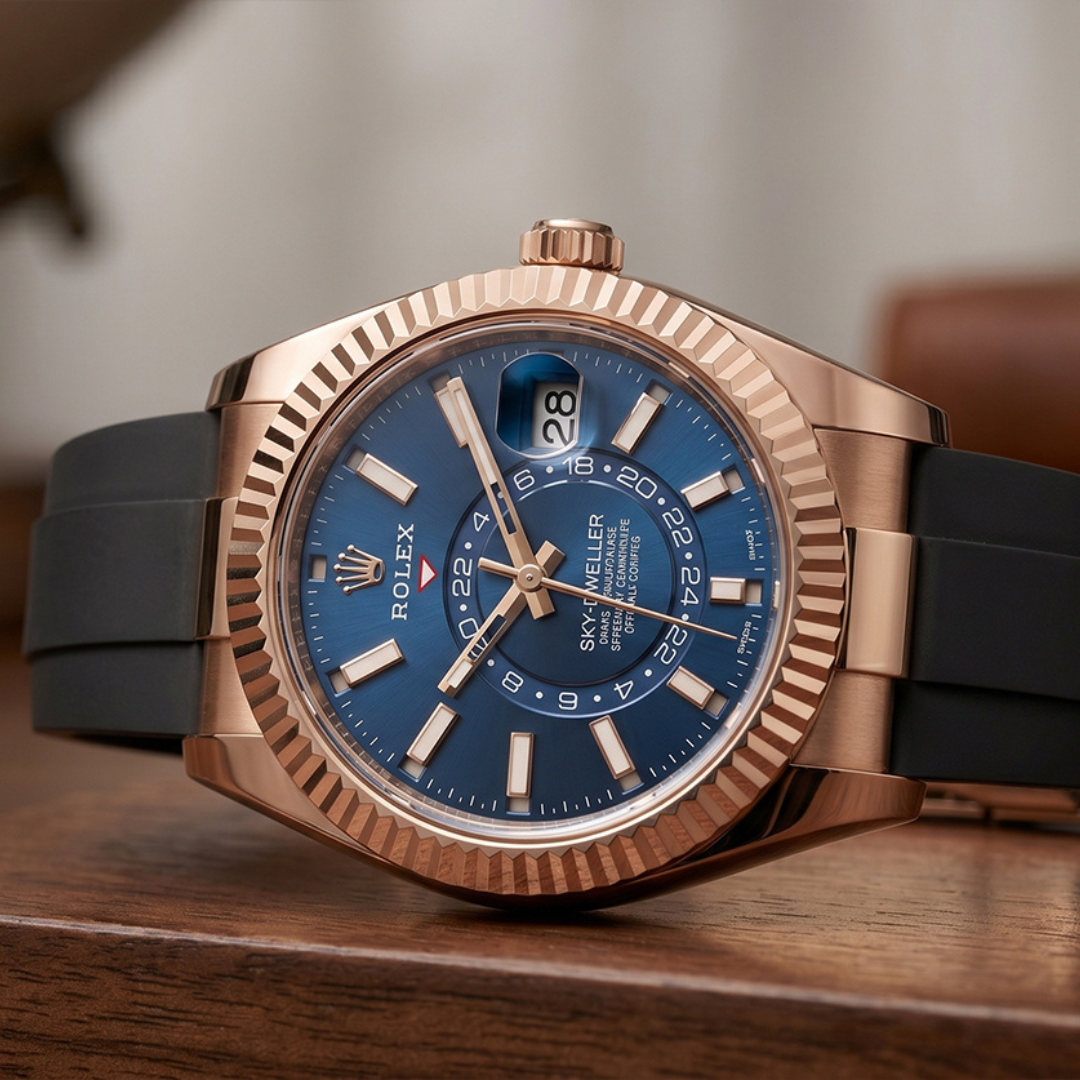
Precious metal models tell a different story. Gold Submariners, gold Day-Dates, and some two-tone configurations currently trade at or slightly below retail on the secondary market. That’s not a failure. It’s a reflection of the fact that precious metal Rolex watches have always been purchased primarily by people who want to wear them, not by people chasing premiums. They hold their value far better than comparable luxury goods, but they don’t appreciate the way steel sport models do.
Discontinued references are where the most dramatic appreciation happens. When Rolex discontinues a model, the secondary market responds. The “Hulk” Submariner (116610LV) was discontinued in 2020 at a retail price of around $9,000. It now trades above $16,000. The original Kermit (16610LV) commands even stronger premiums. Discontinuation creates permanent scarcity, and permanent scarcity drives long-term value.
Why Rolex Specifically?
Other luxury watch brands make exceptional timepieces. But Rolex has structural advantages that no other brand can fully replicate when it comes to value retention.
Production discipline. Rolex produces roughly one million watches per year, which sounds like a lot until you consider global demand. The brand deliberately constrains supply to maintain scarcity across its most desirable references. That discipline is the foundation of everything else.
Universal recognition. A Rolex is recognised everywhere on earth. That universal awareness creates the broadest possible buyer pool on the secondary market. When you sell a Rolex, you’re not marketing to a niche of informed collectors. You’re selling to the entire world. That liquidity is what keeps prices stable and bid-ask spreads tight.
Build quality and longevity. A Rolex, properly maintained, will run for decades. The cost of ownership is remarkably low relative to the purchase price. Service intervals are every ten years for modern calibres. The watches don’t wear out. They don’t become obsolete. A 20-year-old Submariner, serviced and in good condition, is functionally identical to a new one.
Brand equity compounding. Rolex’s cultural relevance has been building for over a century and shows no signs of plateauing. Every year, more people want a Rolex. Every year, production stays roughly flat. That equation has been driving value appreciation for decades, and there’s nothing on the horizon that suggests it will reverse.

Rolex vs. Other Asset Classes
Here’s a comparison that puts things in perspective. Over the past decade, the S&P 500 has delivered average annual returns of roughly 10 to 12%. Real estate, depending on market, has delivered 4 to 8%. Gold has fluctuated.
A steel Rolex Submariner purchased at retail ten years ago has appreciated at a rate that comfortably outpaces real estate and, in some cases, rivals equities. And unlike stocks or property, you wore it on your wrist every day. You enjoyed it. It accompanied you through the milestones of your life. Try getting that from an index fund.
That said, I want to be clear: past performance doesn’t guarantee future returns, and watches should never be your primary investment strategy. But as a store of value that you also get to use and enjoy? Rolex is in a category that very few assets of any kind can match.
The Pre-Owned Advantage
Here’s something that often gets overlooked in the investment conversation: buying pre-owned can actually be the smarter financial move.
When you buy a new Rolex at retail (assuming you can get one), you’re buying at a price set by Rolex. Any appreciation happens from that baseline. When you buy a pre-owned Rolex from a reputable dealer, you’re buying at a market-driven price that already reflects real demand. You skip the waitlist uncertainty, you get the watch immediately, and you enter the ownership cycle at a transparent, market-verified valuation.
For precious metal models that currently trade below retail on the secondary market, buying pre-owned means you’re acquiring the watch at a discount to what Rolex charges, with the same long-term value retention characteristics. That’s not just smart collecting. It’s smart economics.
And when the time comes to sell or trade, a pre-owned Rolex purchased from a reputable dealer with full authentication and documentation holds its value just as well as one purchased from an AD. The secondary market doesn’t distinguish between the two. It cares about the watch, not where you bought it.
So, Are They Worth It?
Yes. Not because every Rolex will double in value (it won’t), but because Rolex offers something that almost no other luxury purchase can: you buy something beautiful, you wear it, you enjoy it, and when you’re done (if you’re ever done), you sell it for what you paid or more. That combination of emotional return and financial stability is extraordinarily rare.
The best approach is simple. Buy the Rolex you love. Wear it. Take care of it. Keep the box and papers. And know that unlike almost everything else you’ll spend this kind of money on, the value is still there when you take it off your wrist.
That’s not a guarantee. It’s a track record. And it’s one of the strongest track records in all of luxury.
Every Rolex at Dial Society is fully authenticated with transparent pricing and condition reporting. Browse the collection or request a specific reference.