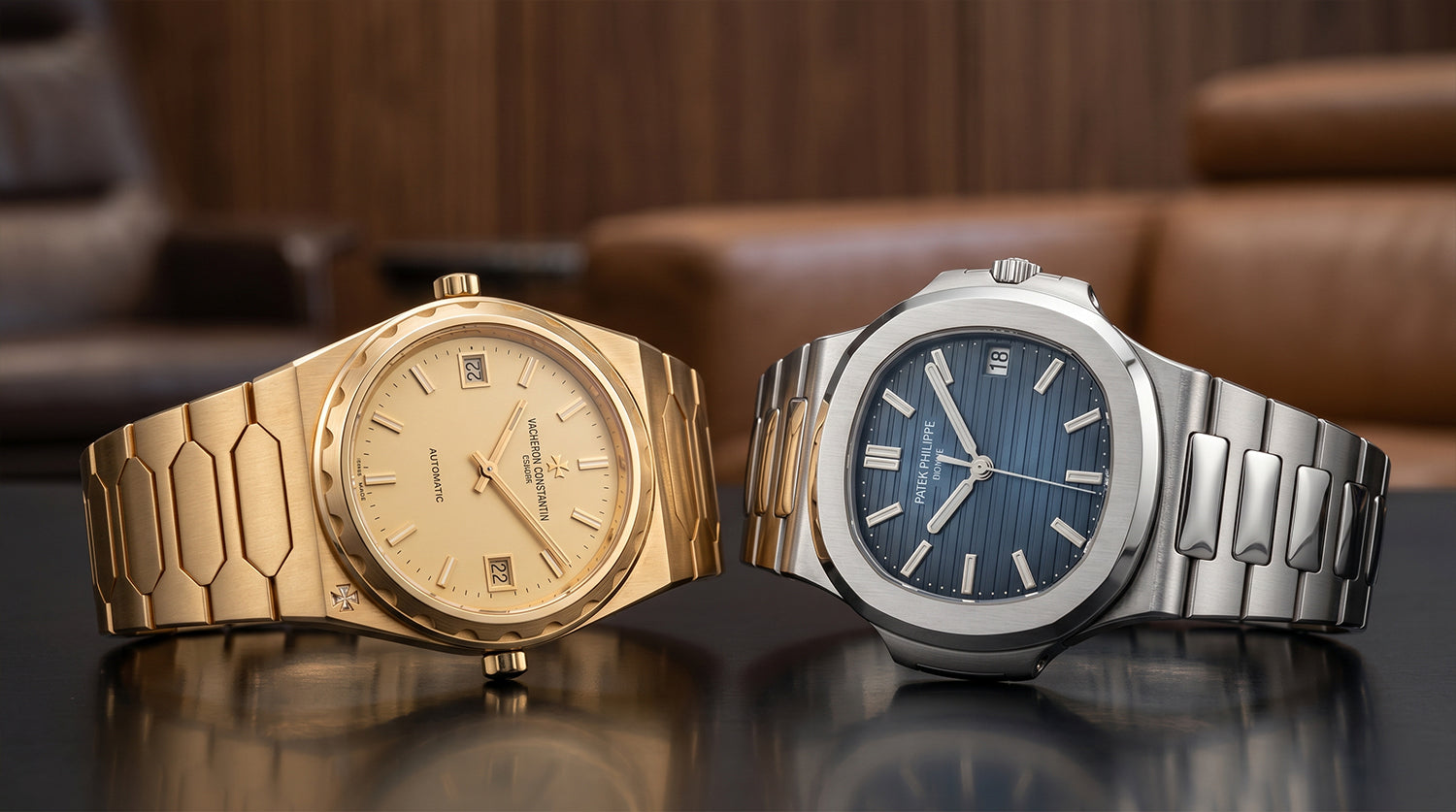
Two of the greatest watchmakers in history. Both make extraordinary timepieces. But they’re not the same, and understanding why matters before you spend six figures.
I’ve had this conversation more times than I can count. Someone tells me they’re ready to step into serious haute horlogerie, they’ve narrowed it down to Vacheron Constantin and Patek Philippe, and they want to know which one is “better.” The honest answer is that neither is better. They’re different. And the differences, once you understand them, make the decision surprisingly clear.
Both houses sit in the Holy Trinity of watchmaking alongside Audemars Piguet. Both have unbroken production histories stretching back centuries. Both finish their movements to a standard that makes virtually every other brand on earth look like it’s cutting corners. But the philosophies behind these two manufactures diverge in ways that affect everything from what you wear on your wrist to how you build a collection over time.
Heritage: The Two Oldest Names in the Game
Vacheron Constantin was founded in 1755. Patek Philippe in 1839. That makes Vacheron the oldest continuously operating watch manufacture in the world, a claim it takes seriously and weaves into virtually everything it does. Patek is 187 years old, which in any other context would be absurd, but in this company makes it the younger house.
Both brands have produced timepieces for royalty, heads of state, and some of the most discerning collectors in history. Patek’s archive includes watches made for Queen Victoria. Vacheron’s includes commissions stretching back to the era of Napoleon. The depth of heritage on both sides is almost incomprehensible, and trying to rank one above the other on history alone is a fool’s errand.
What matters more is how each brand uses that heritage today. Patek leans heavily on its status as the ultimate family-owned watchmaker (still controlled by the Stern family), with the famous tagline about never really owning a Patek Philippe. Vacheron, the oldest name in the business, positions itself as the quiet custodian of an unbroken 270-year tradition, with a focus on artistic craftsmanship and a broader stylistic range.

Design Philosophy: Where They Truly Diverge
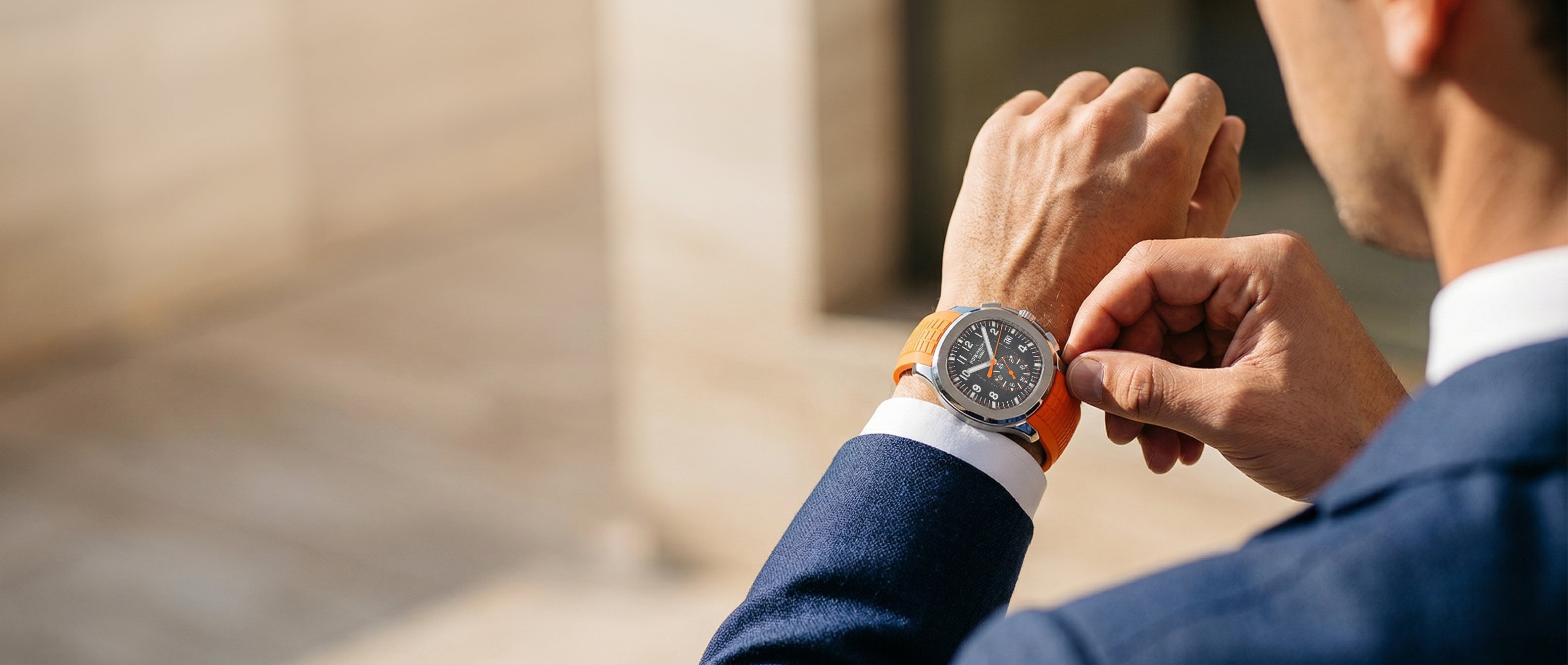
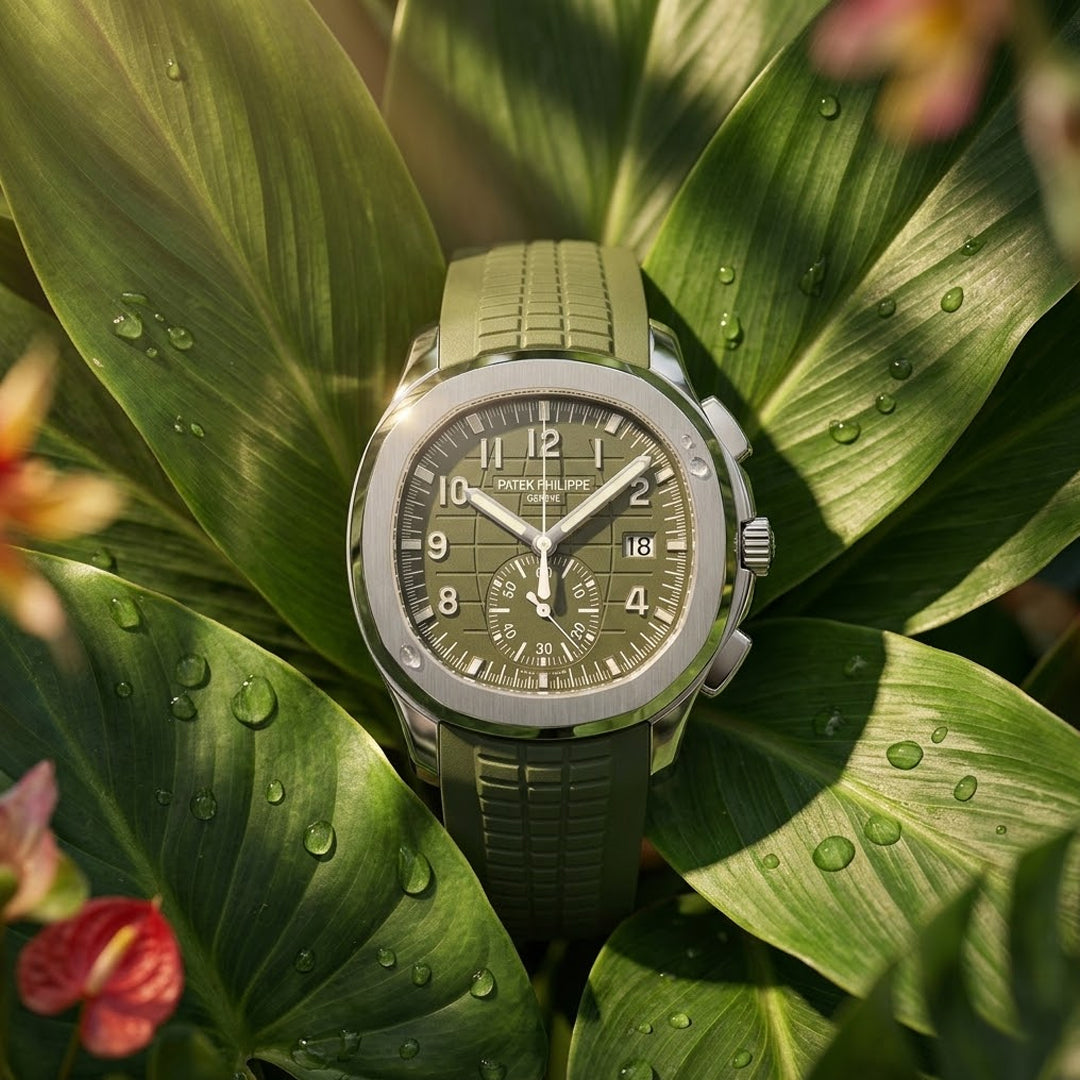
This is where the conversation gets interesting. Patek Philippe’s modern identity is built around two pillars: the Calatrava (round, elegant, the definitive dress watch) and the Nautilus (the luxury sports watch that changed everything). There’s the Aquanaut, the Cubitus, the Twenty~4, and various complication families, but Patek’s design language is remarkably focused. Clean lines, restrained proportions, and a consistency that borders on discipline.
Vacheron Constantin’s range is broader and, I’d argue, more adventurous. The Overseas is the luxury sports watch (and a genuine alternative to the Nautilus and Royal Oak). The Patrimony is the dress watch, impossibly thin and elegant. The Traditionnelle houses Vacheron’s most serious complications. The Historiques line revisits iconic designs from the archive. And then there’s the Métiers d’Art collection, where Vacheron produces some of the most extraordinarily decorated dials in all of watchmaking: hand-engraved, enameled, guilloché, and gem-set pieces that are closer to wearable art than conventional timepieces.
If Patek is a focused statement of purpose, Vacheron is a broader conversation about what a watch can be. Neither approach is superior. But they attract different collectors for good reason.
Movements and Finishing
Both brands operate at a level that separates them from almost everyone else. Patek Philippe’s movements carry the Patek Philippe Seal, the brand’s own quality standard that exceeds the Geneva Seal in several respects. Every movement is finished to a standard that includes hand-beveled bridges, mirror-polished screw heads, and decorative patterns executed with a precision that’s visible under a loupe but invisible to the naked eye.
Vacheron Constantin’s movements carry the Hallmark of Geneva (Poinçon de Genève), an independent certification that governs both movement finishing and long-term reliability. The finishing is exquisite, with Côtes de Genève, hand-chamfered edges, and polished countersinks that rival anything in the industry. Vacheron’s haute horlogerie movements, particularly in the Les Cabinotiers and Traditionnelle complication lines, are among the most beautifully finished calibers in existence.
Comparing the two on movement quality is genuinely difficult, because at this level the differences are aesthetic preferences rather than quality gaps. Patek movements tend toward a warmer, slightly more traditional decorative style. Vacheron’s finishing often feels a touch more architectural and precise. Both are operating at the absolute ceiling of the craft, and owning either means owning some of the finest mechanical watchmaking available anywhere.
The Sports Watch Question: Nautilus vs. Overseas
This is the comparison most buyers actually care about, so let’s address it directly. The Patek Philippe Nautilus (currently the 5811 in white gold) and the Vacheron Constantin Overseas are both luxury integrated-bracelet sports watches with roots in the 1970s. The Nautilus came first (1976), designed by Gerald Genta. The Overseas arrived later (1996, evolved from the 1977 222), designed in-house.
The Overseas has one of the best ownership propositions in the Holy Trinity. It comes with an interchangeable strap system (steel bracelet, leather, and rubber all included in the box), offers a transparent caseback on most references, and wears with an ease that makes it a genuine daily companion. The Nautilus carries extraordinary cultural weight, with a design legacy that has defined the luxury sports watch category for fifty years. Both are exceptional watches. Both hold strong collector followings.
If you want a watch with one of the most thoughtful out-of-the-box experiences in luxury watchmaking, the Overseas delivers. If you want a watch with five decades of icon status behind it, the Nautilus speaks for itself.
Collector Appeal and Market Position
Both brands attract serious, knowledgeable collectors. Patek’s market is famously strong at auction, with the Nautilus and various grand complication references setting records regularly. The brand’s controlled production and strategic discontinuations create intense demand for key references.
Vacheron appeals to a collector who values breadth, artistry, and a slightly more understated kind of prestige. The Les Cabinotiers department produces bespoke one-of-a-kind pieces that represent the pinnacle of personalized watchmaking, something no other brand in the Holy Trinity offers at the same level. The Overseas has seen steadily growing demand as collectors look beyond the Nautilus and Royal Oak for luxury sports watches with genuine depth.
Both brands reward long-term collecting. Both hold their place at the very top of the horological hierarchy. The difference is in personality, not quality.
So, Which One?
If you value focused design, cultural prestige, and the weight of owning the name that collectors reference more than any other, Patek Philippe is the answer.
If you value stylistic range, artisanal dial craftsmanship, and a 271-year heritage that expresses itself across a wider variety of aesthetics and complications, Vacheron Constantin is extraordinary.
Both brands make watches that will outlast you. The question is which philosophy resonates with who you are. And honestly? The best collections tend to have both.
We carry both Patek Philippe and Vacheron Constantin. Browse the collections or request a specific reference.