
You’ve spent serious money on a timepiece. Here’s how to make sure it lasts longer than you do.
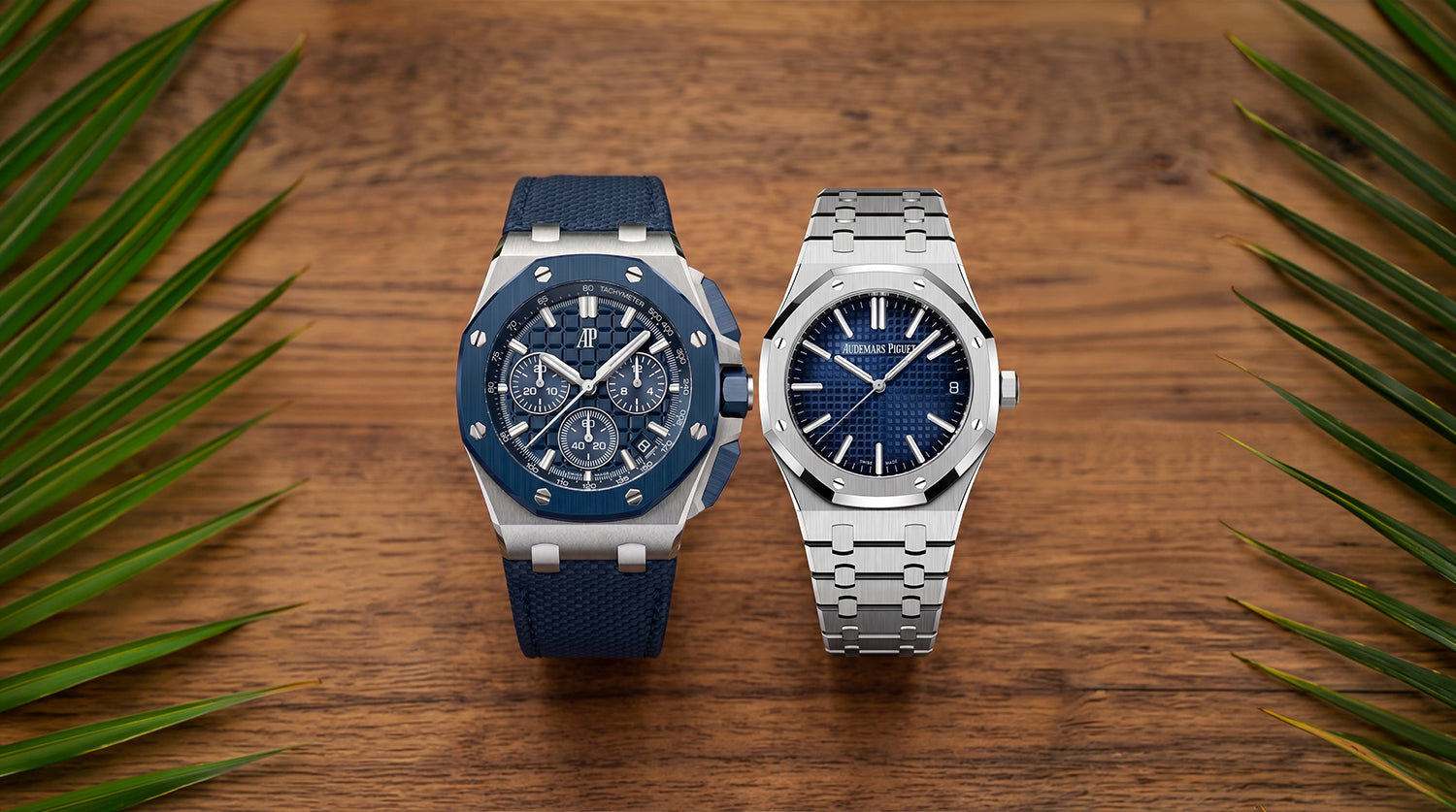
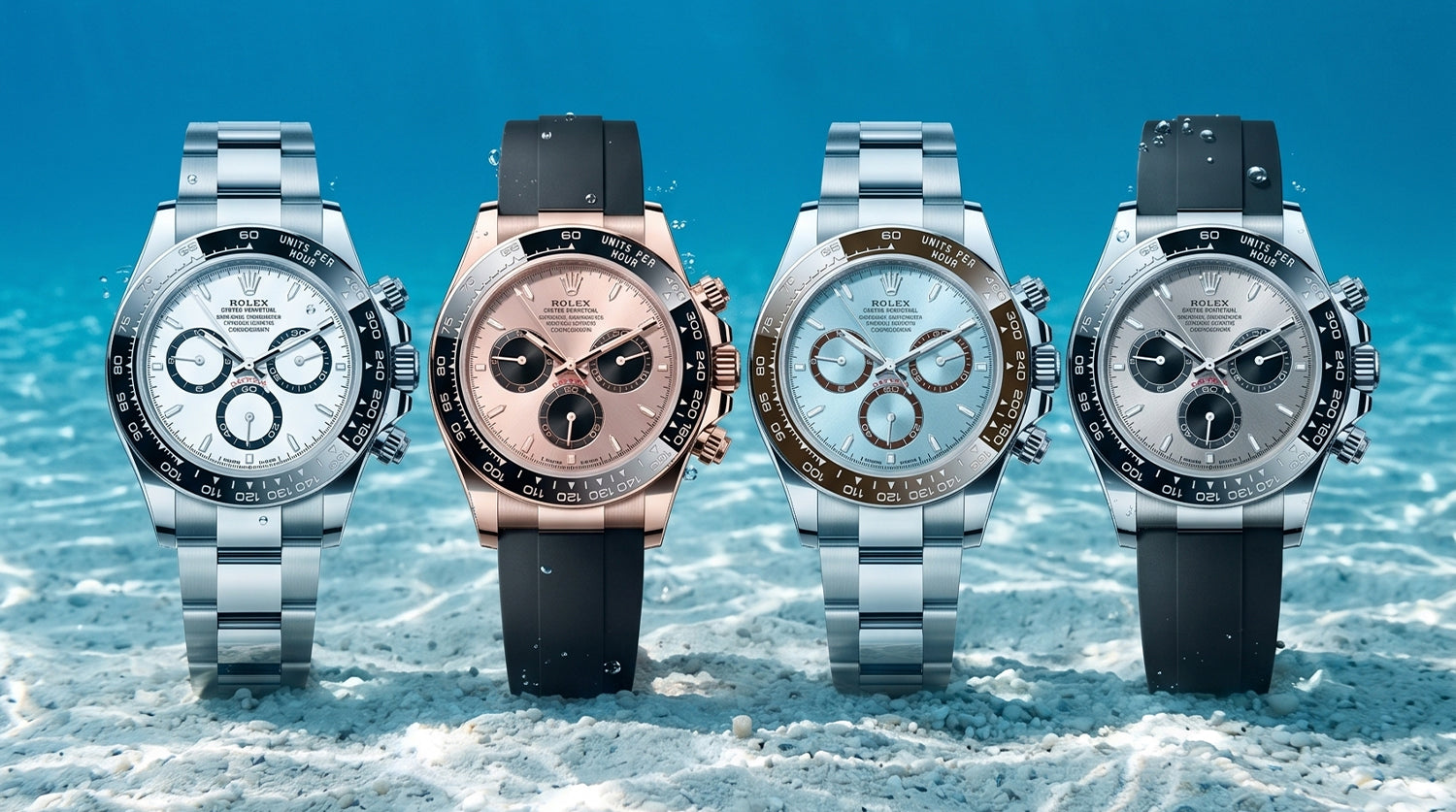
I’ll be honest about something: for the first year I owned a mechanical watch, I treated it like it was made of glass. Wouldn’t wear it in the rain. Took it off before washing my hands. Stored it in its box like a museum piece. It took an embarrassingly long time before someone pointed out that I owned a tool watch rated to 100 meters and maybe I should just wear the thing. Most people either baby their watches too much or don’t think about maintenance at all. Both extremes cause problems. So here’s a practical, no-nonsense guide to keeping your luxury watch in the best possible condition, whether it’s a Rolex Submariner, an Audemars Piguet Royal Oak, or a Patek Philippe Nautilus.
Servicing: How Often and What It Actually Involves
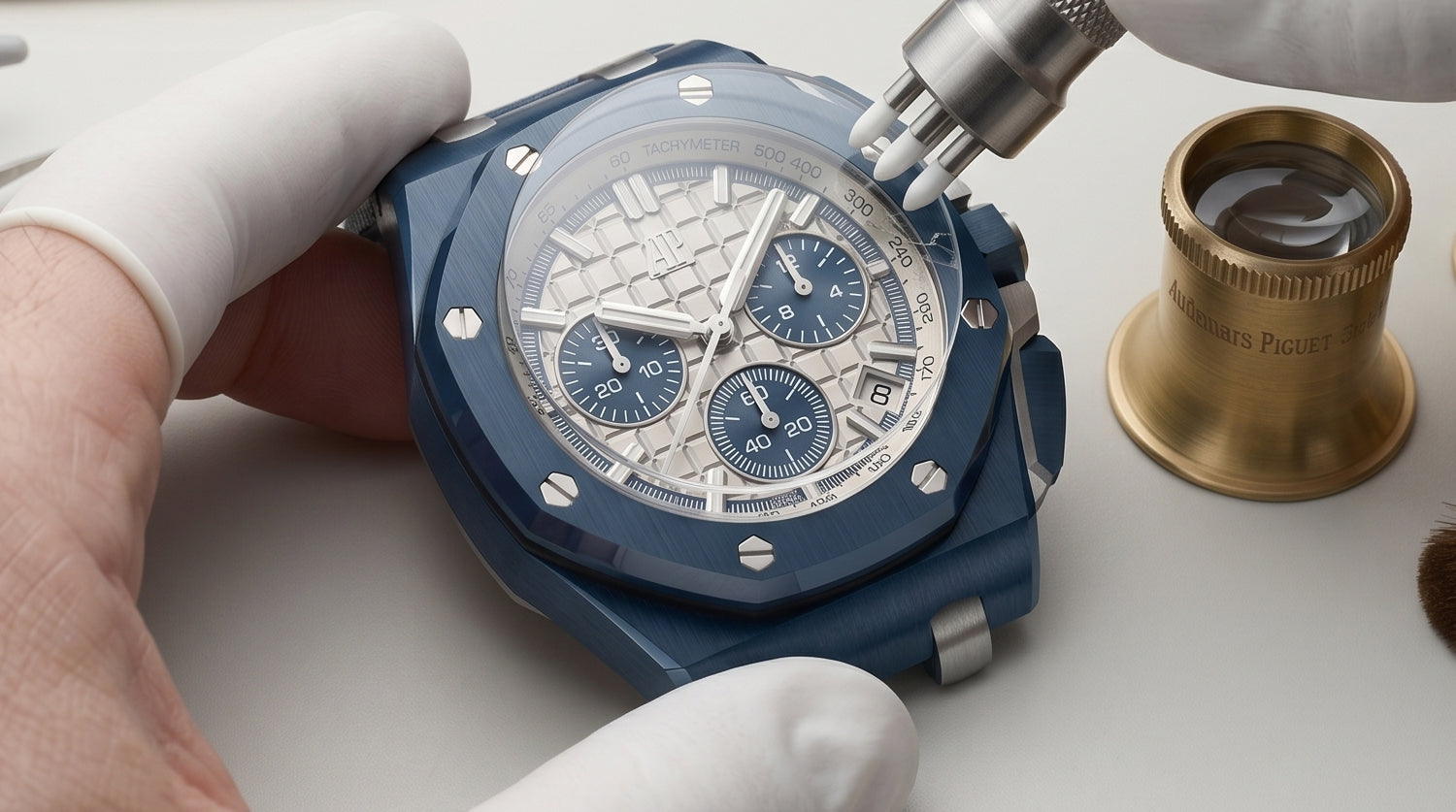
This is the single most important thing you can do for your watch, and it’s also the one most people put off. A full service for a mechanical watch involves completely disassembling the movement, cleaning every component in an ultrasonic bath, replacing worn parts (gaskets, mainspring, and any components showing fatigue), re-lubricating every jewel and pivot point, reassembling and regulating the movement, pressure testing the case for water resistance, and a final timing check.
It’s not cheap. A full Rolex service through an authorized service center will typically run somewhere between $800 and $1,500 depending on the model and what needs replacing. AP and Patek services are higher, often $2,000 to $5,000 or more for complicated movements. How often? Rolex officially recommends servicing every ten years for models with calibers from 2015 onward. Older movements benefit from a five-to-seven year cycle. Patek Philippe recommends every three to five years. AP sits somewhere in between. My personal rule of thumb: if your watch is running more than five seconds fast or slow per day, or if it’s been more than seven years since its last service, book it in.
One thing I’d strongly recommend: always use the manufacturer’s authorized service center or a certified independent watchmaker with a proven track record. An unqualified service can do more damage than no service at all, and it can affect resale value.
Winding and Wearing: What You Need to Know
If you wear your automatic watch daily, the rotor will keep the mainspring wound through the natural movement of your wrist. No intervention needed. But if you rotate between several watches (as most collectors do), you’ll need to wind it manually before wearing it. The process is simple: unscrew the crown to the winding position and turn it clockwise 30 to 40 times. You’ll feel the resistance build as the mainspring winds. Modern movements have a slipping clutch mechanism that prevents overwinding, so you don’t need to worry about damaging anything. Just wind until it feels firm and stop.

A word on watch winders: they’re convenient for keeping your watches running between wears, but they’re not strictly necessary. Letting a watch stop won’t harm it. Starting and stopping is a normal part of how mechanical movements are designed to function. If you do use a winder, make sure it’s set to the correct turns per day for your specific movement. Too many turns create unnecessary wear on the winding mechanism.
Water Resistance: What the Rating Actually Means
This is where I see the most confusion. A 100-metre water resistance rating does not mean your watch is safe to 100 meters underwater in real-world conditions. The ratings are based on static pressure tests in laboratory conditions. Dynamic pressure (like diving into a pool or a wave hitting your wrist) can exceed the static rating significantly.
As a practical guide: 30 meters means splash-proof only (hand washing, rain). 100 meters means swimming and recreational snorkeling are fine. 200 meters and above means you can genuinely dive with it. Regardless of the rating, never operate the crown or pushers while the watch is submerged.
And here’s the detail most people miss: water resistance degrades over time. The gaskets that seal your case dry out, compress, and lose their effectiveness. This is why pressure testing during a service is so important. If your watch hasn’t been serviced in several years, don’t assume the water resistance rating still holds, even if the watch is running perfectly.
Storage and Daily Habits
When you’re not wearing your watch, store it in a cool, dry place away from direct sunlight. A dedicated watch box or roll is ideal. Avoid storing it near magnets (laptop speakers, phone cases with magnetic clasps, iPad covers), as magnetic fields can affect the accuracy of the movement. Modern movements with silicon components (like Rolex’s Parachrom hairspring) are more resistant to magnetism, but it’s still a habit worth maintaining.
A few other practical tips I’ve learned the hard way: take your watch off before applying cologne or sunscreen, as chemicals can damage gaskets, deteriorate leather straps, and dull polished surfaces. Wipe your watch down with a soft microfiber cloth after wearing it, especially in summer when sweat and salt can accumulate in bracelet links. If you have a steel bracelet, a gentle rinse under lukewarm water and a soft toothbrush will keep it looking fresh between services.
Polishing: Think Twice
This might be my most opinionated piece of advice: don’t polish your watch unless you have a specific reason to. Every polish removes a microscopic layer of metal from the case. Over time, repeated polishing softens edges, rounds lugs, and changes the proportions of the case in ways that are subtle but irreversible.
Light scratches and desk-diving marks are part of owning a mechanical watch. They’re evidence of a watch being worn and enjoyed, not damage. If you’re planning to sell, a professional polish can refresh the appearance, but it should be done sparingly and only by a qualified watchmaker. Never attempt to polish a watch yourself with consumer-grade products. The risk of uneven finishing or removing too much material is real and expensive to correct.
The Short Version
Wear your watch. Service it on schedule. Keep it away from magnets and chemicals. Don’t polish it every time it picks up a scratch. And if something feels off (the crown feels gritty, the timekeeping has drifted, or you hear a rattle), get it checked sooner rather than later. Small problems caught early are always cheaper than big problems caught late. That’s really all there is to it. These watches are engineered to last generations. Give them basic care, and they will.
Every watch at Dial Society is fully authenticated and serviced. Browse the collection or get in touch with any questions about your timepiece.